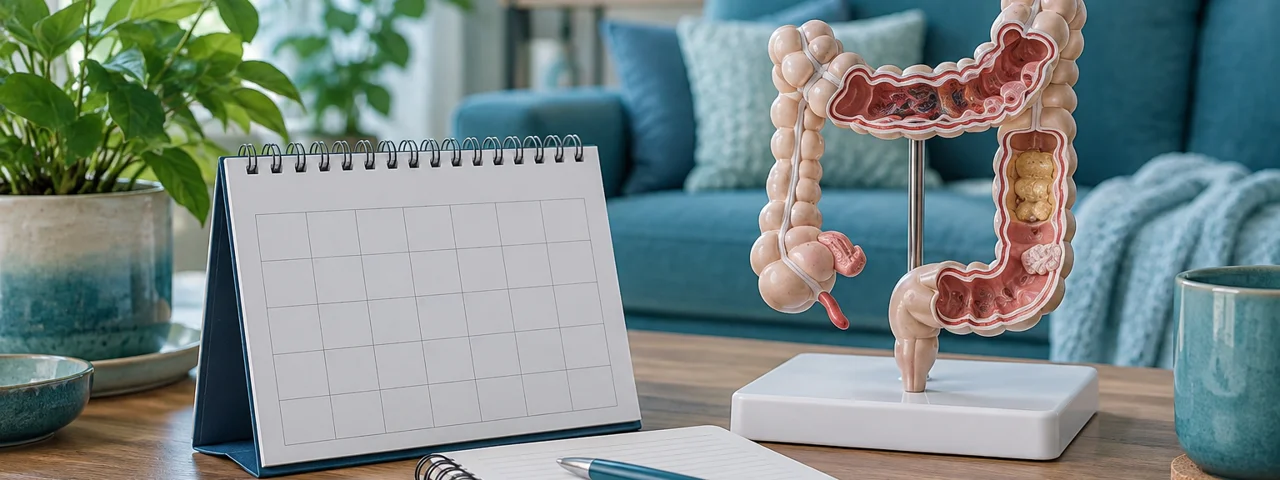
When it comes to colon cancer screening, understanding which test for colon cancer is most suitable for you is vital. Early detection is crucial, as it can significantly improve treatment outcomes and survival rates. With several screening options available, it’s essential to consider your individual risk factors, medical history, and the recommendations of your healthcare provider.
Dr Ganesh Sivaji, a consultant in gastroenterology with extensive experience in colorectal health, is dedicated to guiding patients through the complexities of colon cancer screening. His practice at The Duchy Hospital, Queen’s Road, Harrogate focuses on providing compassionate care and expert advice tailored to each patient’s needs.
What Are the Different Tests Available for Colon Cancer Screening?
Several tests are used for colon cancer screening, each with its own benefits and limitations. Understanding these options can help you make an informed decision. The primary tests include:
- Colonoscopy: This is considered the gold standard for colon cancer screening. A colonoscope—a long, flexible tube with a camera—is inserted through the rectum to examine the entire colon. If any polyps or abnormal tissues are found, they can often be removed during the procedure. According to the National Health Service (NHS), around 1 in 20 people will develop bowel cancer during their lifetime, making early screening essential.
- Flexible Sigmoidoscopy: Similar to a colonoscopy, this test examines only the lower part of the colon. It is less invasive and requires less preparation but may miss cancers located in the upper colon.
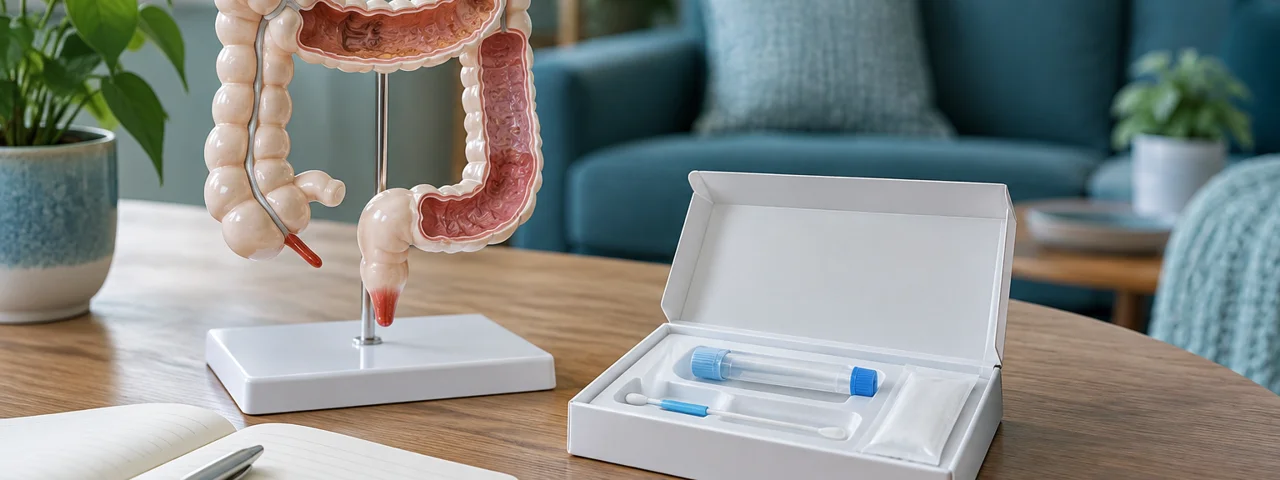
- Faecal Immunochemical Test (FIT): This non-invasive test detects hidden blood in stool samples, which can indicate the presence of cancer. It is used in the national bowel cancer screening programme as well and well trusted.
- CT Colonography (Virtual Colonoscopy): This imaging test uses CT scans to create detailed images of the colon. It’s less invasive than a traditional colonoscopy but may require a follow-up colonoscopy if abnormalities are found.
Who Should Consider Colon Cancer Screening?
Colon cancer screening is recommended for adults aged 50 and older, as the risk increases with age. However, those with specific risk factors may need to start screening earlier. Key factors include:
- Family history of colon cancer or polyps
- Personal history of inflammatory bowel disease (IBD) such as Crohn’s disease or ulcerative colitis
- Genetic predispositions, such as Lynch syndrome or familial adenomatous polyposis (FAP)
It’s essential to discuss your risk factors with your healthcare provider, who can recommend the most appropriate screening test based on your health history and personal circumstances.
How Often Should You Get Screened for Colon Cancer?
The frequency of screening depends on the type of test performed and individual risk factors, based on the USA guidelines
- Colonoscopy: Every 10 years, if no polyps are found and you are at average risk.
- Flexible Sigmoidoscopy: Every 5 years, often combined with annual FIT.
- FIT: Annually, starting at age 50.
- CT Colonography: Every 5 years, if results are normal.
Patients with increased risk factors may require more frequent screenings, so it’s crucial to have ongoing discussions with your doctor.
What Are the Benefits of Colon Cancer Screening?
Regular colon cancer screening offers several benefits, including:
- Early Detection: Catching cancer early can lead to better treatment outcomes.
- Polyp Removal: Screening tests like colonoscopy can detect and remove polyps before they become cancerous.
- Reduced Mortality Rates: Studies show that regular screening can significantly reduce the risk of dying from colon cancer by approximately 68% in those screened regularly.
- Peace of Mind: Knowing your colon health can alleviate anxiety and help you take proactive health measures.
What Are the Risks Associated with Colon Cancer Screening?
While the benefits of screening outweigh the risks for most individuals, it’s essential to be aware of potential complications:
- Colonoscopy Risks: These include bleeding, and perforation of the colon, though serious complications are rare. Dr.Sivaji is an experienced endoscopist with 16+ years of experience. he is also a trainer for other endoscopists in this skill.
- False Positives: Tests like FIT and stool DNA tests may yield false positives, leading to unnecessary follow-up procedures.
- Preparation Discomfort: Preparing for a colonoscopy can be uncomfortable, requiring dietary changes and laxatives.
Discuss any concerns with your healthcare provider to ensure you are fully informed before proceeding with screening.
How to Prepare for a Colon Cancer Screening?
Preparation varies depending on the type of test you will undergo:
- Colonoscopy: Patients will typically need to follow a clear liquid diet for a day and take laxatives to empty the bowel.
- FIT: There are minimal preparations; you will need to collect stool samples at home and avoid certain medications.
- CT Colonography: Similar preparation as colonoscopy, including fasting and bowel cleansing.
Your healthcare provider will give specific instructions tailored to your chosen screening method.
Frequently Asked Questions
Which test for colon cancer is best for me?
The best test for colon cancer depends on your personal health history, risk factors, and preferences. A colonoscopy is often recommended as the gold standard, but non-invasive options like FIT may be suitable for some patients. For further reading, visit NHS Bowel Cancer Screening.
How do I know if I should start screening before age 50?
If you have a family history of colon cancer, personal history of IBD, or genetic predispositions, it’s advisable to start screening earlier. Discuss your situation with your healthcare provider.
What happens if a polyp is found during my screening?
If a polyp is detected during a colonoscopy, it can typically be removed during the same procedure. This can prevent it from developing into colon cancer.
Are there any symptoms I should watch for before getting screened?
Symptoms such as persistent abdominal pain, changes in bowel habits, unexplained weight loss, or blood in the stool should prompt a conversation with your doctor, even before your scheduled screening.
How can I prepare mentally for my colon cancer screening?
It’s normal to feel anxious about screening. Educating yourself about the procedure, speaking with your healthcare provider about any concerns, and having a support system can help ease anxiety.
Conclusion
Understanding which test for colon cancer screening is best suited for you is crucial for your health. Regular screening can lead to early detection and significantly improve outcomes. To find out whether which test for colon cancer may be suitable for you, book a consultation with Dr Ganesh Sivaji at The Duchy Hospital, Queen’s Road today.
For more information on treatment options, visit our treatment page.