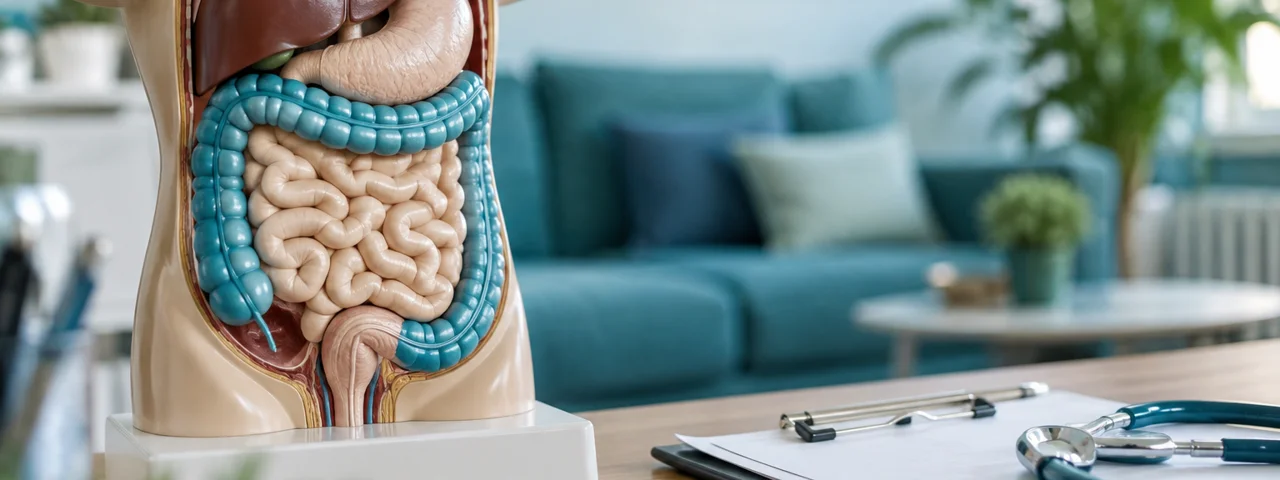
Dyspepsia, commonly known as indigestion, can be a frustrating condition that affects many people. If you’re wondering about how to treat dyspepsia, this comprehensive guide will provide you with valuable insights into the symptoms, causes, and effective treatment options available. Understanding dyspepsia is essential for managing your health and improving your quality of life.
Dr Ganesh Sivaji, a consultant specialising in gastroenterology at the Duchy Hospital, Queen’s Road, has extensive experience in diagnosing and treating gastrointestinal disorders, including dyspepsia. His compassionate approach to patient care in Harrogate ensures that individuals receive the attention and treatment they require.
What is Dyspepsia?
Dyspepsia refers to a collection of symptoms that arise from the upper gastrointestinal tract, often leading to discomfort or pain in the stomach. Common symptoms of dyspepsia include:
- Bloated feeling
- Nausea or vomiting
- Belching or excessive gas
- Heartburn or acid reflux
- Loss of appetite
What Causes Dyspepsia?
Understanding the underlying causes of dyspepsia is crucial for effective treatment. Some common causes include:
- Gastroesophageal reflux disease (GORD)
- Peptic ulcers
- Gastritis
- Food intolerances or allergies
- Stress and anxiety
- Medications such as NSAIDs or antibiotics
How is Dyspepsia Diagnosed?
The diagnosis of dyspepsia typically involves a thorough evaluation by a healthcare professional. Dr Ganesh Sivaji employs various methods to diagnose the condition, including:
- Medical history review
- Physical examination
- Endoscopy for direct observation of the gastrointestinal tract
- Tests to identify infections like Helicobacter pylori
What Are the Treatment Options for Dyspepsia?
When it comes to treatment of dyspepsia , several options may be considered, depending on the underlying cause. Treatment can include lifestyle changes, medications, and in some cases, surgical options.
1. Lifestyle Changes
Making simple adjustments to your daily habits can significantly alleviate dyspepsia symptoms. Consider the following:
- Eating smaller, more frequent meals
- Avoiding trigger foods and beverages (e.g., spicy foods, caffeine, and alcohol)
- Maintaining a healthy weight
- Practising stress management techniques such as meditation or yoga
- Quitting smoking
2. Medications
There are several classes of medications that may be recommended for managing dyspepsia:
- Antacids: These neutralise stomach acid to provide quick relief. According to the NHS, over 60% of patients experience relief from symptoms when using antacids.
- Proton pump inhibitors (PPIs): These reduce the production of stomach acid and are often used in cases of GORD.
- H2-receptor antagonists: These medications also decrease stomach acid and can relieve symptoms.
- Prokinetics: These help improve the motility of the gastrointestinal tract.
3. Surgical Options
In some cases, when conservative treatments fail, surgical intervention may be necessary. Procedures might include:
- Fundoplication for severe GERD
- Surgery to remove obstructions or correct anatomical issues
How Can Dyspepsia Be Prevented?
Preventing dyspepsia involves adopting a proactive approach towards your health. Here are some strategies that may help:
- Identifying and avoiding food triggers
- Eating mindfully and chewing food thoroughly
- Staying hydrated
- Avoiding late-night meals
- Incorporating regular exercise into your routine
When Should You Seek Medical Attention?
If dyspepsia symptoms persist or worsen, it is essential to consult a healthcare professional. Signs that warrant immediate attention include:
- Severe abdominal pain
- Unexplained weight loss
- Vomiting blood or passing black stools
- Difficulty swallowing
Frequently Asked Questions
What is the best way to treat dyspepsia?
The best way to treat dyspepsia depends on its cause. Lifestyle changes, medications, and in some cases, surgery may be recommended. Consulting a healthcare professional is essential for tailored advice.
Can stress cause dyspepsia?
Yes, stress can contribute to dyspepsia symptoms. Managing stress through relaxation techniques and lifestyle changes can help alleviate symptoms.
Is dyspepsia a serious condition?
While dyspepsia is often not serious, it can indicate underlying health issues. Persistent symptoms should be evaluated by a healthcare professional.
How long does dyspepsia last?
The duration of dyspepsia varies. It can be temporary or chronic, depending on the underlying cause and treatment effectiveness. Studies suggest that 25% of individuals experience recurring symptoms.
Are there any natural remedies for dyspepsia?
Some people find relief through natural remedies such as ginger tea, peppermint, and chamomile. However, it is advisable to consult a healthcare professional before trying new treatments.
In conclusion, understanding dyspepsia and how to treat is vital for managing this common condition effectively. If you are experiencing symptoms of dyspepsia, Dr Ganesh Sivaji at the Duchy Hospital, Queen’s Road is available to provide expert consultation and tailored treatment options. To find out whether dyspepsia how to treat may be suitable for you, book a consultation with Dr Ganesh Sivaji today.
For more information on gastrointestinal health, visit our gastrointestinal disorders page.