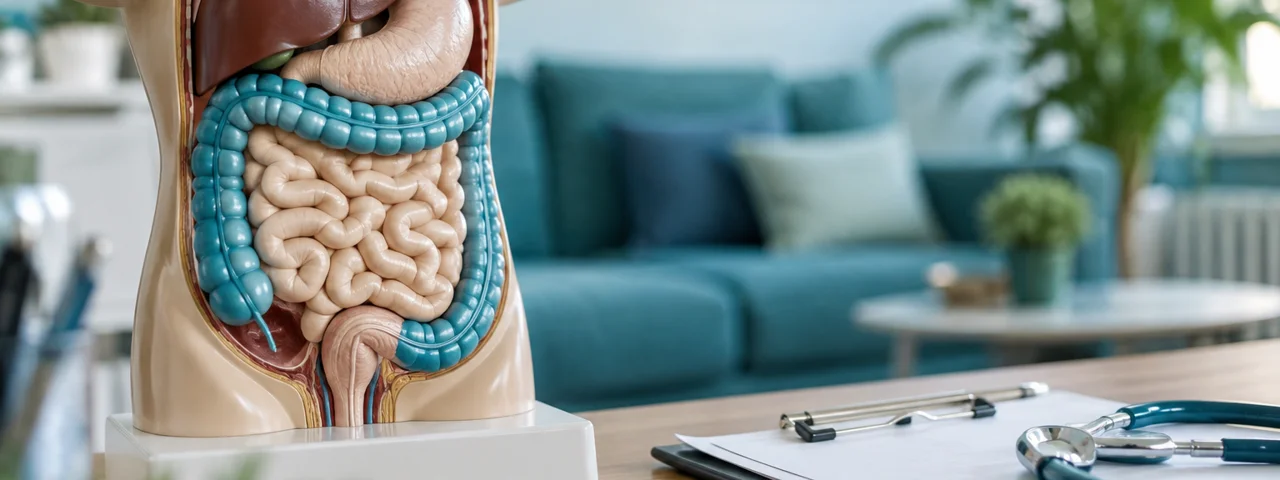
Colon cancer is one of the most significant health challenges faced today, and understanding why colon cancer is deadly is crucial for prevention and early detection. This disease, which develops in the lining of the large intestine, can be particularly aggressive if not diagnosed early. In this article, we will explore the various aspects of colon cancer, including its causes, symptoms, treatment options, and the importance of early diagnosis.
Dr. Ganesh Sivaji, a consultant in gastroenterology with extensive experience in colorectal conditions, is dedicated to compassionate patient care at The Duchy Hospital, Queen’s Road, serving the Harrogate area. His expertise in diagnosing and treating conditions like colon cancer is complemented by his roles as a Royal College International Examiner and Training Programme Director for Yorkshire.
What Are the Causes of Colon Cancer?
Understanding the causes of colon cancer is essential in addressing why colon cancer is deadly. While the exact cause of colon cancer is unknown, several risk factors have been identified:
- Age: The risk of developing colon cancer increases significantly after the age of 50, accounting for about 90% of cases.
- Family History: Individuals with a family history of colon cancer or certain genetic syndromes are at higher risk; approximately 25% of patients have a familial link.
- Diet: A diet high in red and processed meats while low in fruits, vegetables, and whole grains can increase risk.
- Obesity: Being overweight or obese contributes to an increased risk of colon cancer, with studies indicating a 30-50% higher risk in obese individuals.
- Smoking and Alcohol: Both smoking and excessive alcohol consumption are linked to a higher risk.
- Medical Conditions: Conditions such as inflammatory bowel disease (IBD), including Crohn’s disease and ulcerative colitis, increase risk.
What Are the Symptoms of Colon Cancer?
Many patients often ask about the symptoms of colon cancer, which can help in understanding why colon cancer is deadly. Early detection often leads to better outcomes, so awareness of symptoms is vital.
- Changes in Bowel Habits: This includes persistent diarrhoea or constipation that lasts for more than a few days.
- Blood in Stool: This can appear as bright red or dark black blood, which may indicate bleeding in the digestive tract.
- Abdominal Discomfort: Cramping, gas, or pain that does not go away may signal underlying issues.
- Unexplained Weight Loss: Losing weight without trying can indicate serious health issues, including cancer.
- Fatigue: Feeling unusually tired can be a symptom of anaemia, often linked to colon cancer.
How Is Colon Cancer Diagnosed?
Diagnosing colon cancer early is crucial in understanding why colon cancer is deadly. Early-stage colon cancer often presents no symptoms, making screening essential. Common diagnostic methods include:
- Colonoscopy: A procedure where a flexible tube with a camera is inserted into the rectum to examine the colon, typically recommended every 10 years starting at age 50.
- Biopsy: During a colonoscopy, if abnormal tissue is found, a sample can be taken for testing to confirm cancer.
- CT Scans: Imaging tests can help determine the extent of cancer spread.
- Blood Tests: While not definitive, tests can check for signs of cancer, such as carcinoembryonic antigen (CEA) levels.
- Stool tests : Faecal Immunochemical Test (FIT) is used for bowel cancer screening.
What Are the Treatment Options for Colon Cancer?
Understanding treatment options is essential for patients diagnosed with colon cancer. Treatment plans often depend on the stage of cancer and may include:
- Surgery: The most common treatment for early-stage colon cancer, which may involve removing part of the colon (partial colectomy) or the entire colon (total colectomy).
- Chemotherapy: Often used after surgery to eliminate any remaining cancer cells, especially in later stages.
- Radiation Therapy: This may be used in combination with surgery or chemotherapy to target cancerous areas.
- Targeted Therapy: Newer treatments that focus on specific pathways that cancer cells use to grow.
What Role Does Prevention Play in Colon Cancer?
Preventive measures are vital for reducing the risk of colon cancer, thereby addressing why colon cancer is deadly. Here are some strategies to consider:
- Regular Screening: Starting screenings at age 50 or earlier if at high risk can catch cancer early.
- Healthy Diet: A diet rich in fruits, vegetables, and whole grains while limiting red and processed meats can reduce risk.
- Physical Activity: Regular exercise helps maintain a healthy weight and lowers the risk of colon cancer.
- Avoid Tobacco and Limit Alcohol: Both can increase cancer risk; quitting smoking and reducing alcohol intake can help.
How Does Colon Cancer Affect Recovery?
Recovery from colon cancer depends on various factors, including the stage of cancer at diagnosis, the treatment received, and the patient’s overall health. Early-stage colon cancer often has a higher survival rate. According to the NHS, the 5-year survival rate for stage 1 colon cancer is about 90%. Regular follow-ups with healthcare providers are essential for monitoring and managing any long-term effects of treatment.
When to Get Urgent Help
| Symptom | What to do |
|---|---|
| Bleeding from your bottom that will not stop, or a lot of blood or large clots in the toilet | Dial 999 or go to A&E |
| Severe tummy pain, or vomiting blood or poo, or sick that looks like coffee grounds | Dial 999 or go to A&E |
| Black or dark red poo, or bloody diarrhoea | Ask for an urgent GP appointment or contact NHS 111 |
| Slime (mucus) or blood in your poo for 3 weeks or more, or a lasting change in bowel habit | See a GP or book a consultation |
Do not drive yourself to A&E.
Frequently Asked Questions
Why is colon cancer deadly?
Colon cancer is deadly primarily due to its potential for late diagnosis. If not detected early, it can spread to other organs, making treatment more challenging and reducing survival rates.
What are the early signs of colon cancer?
Early signs of colon cancer can include changes in bowel habits, blood in stool, abdominal discomfort, and unexplained weight loss. Regular screenings are crucial for early detection.
How often should I get screened for colon cancer?
Most individuals should begin screening at age 50, but those with risk factors may need to start earlier. Consult your healthcare provider for personalised recommendations.
What lifestyle changes can help prevent colon cancer?
To help prevent colon cancer, maintain a balanced diet rich in fruits and vegetables, engage in regular physical activity, avoid tobacco, and limit alcohol consumption.
What treatments are available for colon cancer?
Treatment options for colon cancer typically include surgery, chemotherapy, radiation therapy, and targeted therapy, depending on the cancer stage and patient health.
In conclusion, understanding why colon cancer is deadly is crucial for effective prevention and treatment. Dr. Ganesh Sivaji is committed to providing comprehensive care for patients dealing with colorectal conditions at The Duchy Hospital, Queen’s Road, Harrogate. If you have concerns about colon cancer or wish to discuss your risk factors, please book a consultation with Dr. Ganesh Sivaji and take the first step towards better health.